Whole-home PFAS treatment systems represent a larger investment that may warrant financing consideration.
- Many water treatment companies offer in-house or partnered financing for whole-home PFAS systems.
- Compare contractor financing against personal loans, HELOCs, or promotional credit cards.
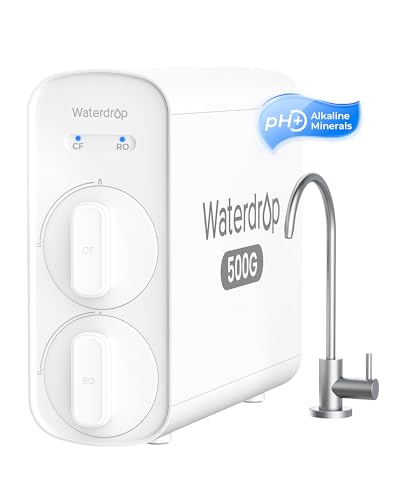
- Point-of-use filtration at drinking/cooking taps remains a lower-cost alternative if whole-home financing doesn’t appeal.
- This is a discretionary, non-urgent investment giving you flexibility to compare financing options.
Contractor-Offered Financing
Many water treatment companies offer in-house or partnered financing plans for whole-home PFAS treatment installation — ask directly about available terms.
Home Improvement Loans and Credit Options
Personal loans, home equity lines of credit, or 0% promotional credit cards are general financing options worth comparing against contractor-offered terms.

Starting With Point-of-Use as a Lower-Cost Alternative
If whole-home financing isn’t appealing, point-of-use filtration at drinking/cooking taps addresses the primary ingestion exposure concern at meaningfully lower cost.
What to Read in a Financing Offer Before You Sign
A financing offer attached to an installation quote is a credit product, and it is worth reading as one. The figure that matters is the total amount repaid over the full term rather than the monthly payment, because a longer term can make an expensive system feel affordable while quietly increasing what the project costs you in the end.
Promotional terms are the place where the detail hides. Deferred-interest offers in particular can charge interest retroactively from the purchase date if the balance is not cleared before the promotional window closes, which is a very different product from one that simply charges no interest during that period. Ask which of the two you are being offered, and ask for it in writing.
Why Bundled Financing Deserves a Separate Comparison
When a contractor supplies both the system and the loan, the price of the equipment and the cost of the credit arrive as a single number. That makes it hard to tell whether you are getting a good rate on a fairly priced system or a poor rate hidden inside a discount. Asking for the cash price and the financed price separately turns one number back into two comparable ones.
It is also worth confirming who actually holds the loan. Contractor financing is frequently originated by a third-party lender, which affects who you deal with if the installation goes wrong. A dispute about workmanship is easier to resolve when the company that did the work is also the company you are paying.
Matching the Term to the Equipment, Not the Payment
Filtration equipment has a service life, and media inside it has a much shorter one. A financing term that outlasts the system it paid for leaves you making payments on hardware that has already been replaced, which is the situation most worth avoiding when setting the term.
Remember too that the loan covers installation but not operation. Replacement media is a recurring cost that continues for as long as you run the system, so a repayment schedule that consumes the whole of your water budget can leave nothing for the cartridges that keep the system doing its job. Budget for both at once rather than in sequence.
FAQ
Is it worth financing a whole-home system, or should I just filter my drinking water?
Point-of-use filtration at drinking/cooking taps addresses the primary ingestion exposure concern cost-effectively, remaining a reasonable alternative if whole-home financing doesn’t appeal.
Should I finance a whole-home system or pay for it outright?
That depends on the rate you are offered and on what else the money would be doing. Because this is a discretionary and non-urgent improvement, there is usually room to compare offers properly rather than accepting the first one presented alongside the quote.
Is contractor financing usually a worse deal than a bank loan?
Not automatically, and sometimes it is genuinely better. The only way to know is to compare the total repaid under each option over the same term, since a promotional rate and a conventional one can look similar per month and differ substantially in the end.
What happens to the financing if the installation goes badly?
You generally remain responsible for the loan while any dispute over the work is resolved separately, which is why it is worth knowing in advance whether the contractor or an outside lender holds the agreement.
Since this is a discretionary, non-urgent investment, take time to compare financing options rather than feeling pressured to decide quickly.
These statements have not been evaluated by the Food and Drug Administration. This information is not intended to diagnose, treat, cure, or prevent any disease. Content is for informational purposes only and is not medical advice; consult a qualified healthcare provider before starting any supplement. As an Amazon Associate we earn from qualifying purchases.
