A PFAS filtration system needs particularly disciplined maintenance given the specific saturation-based removal mechanism most certified technologies rely on.
- PFAS removal media has a more defined saturation point than for some other filtration purposes.
- Follow the manufacturer’s replacement schedule strictly given this specific removal mechanism.
- Keep records of installation and expected replacement dates for your specific system.
- Periodic retesting, particularly near scheduled replacement, provides direct confirmation of continued effectiveness.
Strict Media Replacement Scheduling
Unlike some filtration purposes where a slightly overdue cartridge simply reduces general performance gradually, PFAS removal media can become saturated and stop removing PFAS effectively at a more defined threshold — follow the manufacturer’s schedule strictly.
Tracking Replacement Dates
Keep a simple record of installation and expected replacement dates for your specific system, given how important strict scheduling adherence is for this specific contaminant.

Periodic Effectiveness Verification
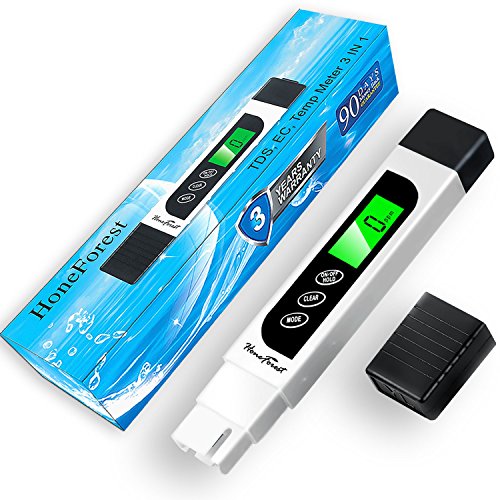
Periodic retesting (particularly as you approach a scheduled replacement) provides direct confirmation your system continues performing as certified.
Why Taste and Flow Are Not Reliable Indicators Here
Households often judge a filter by how the water tastes or how fast it runs, which works reasonably well for the aesthetic problems those filters were originally sold against. It does not transfer to this contaminant, because these compounds are not something you can taste, smell or see.
The consequence is worth stating directly: a cartridge that has stopped reducing PFAS effectively can still produce water that tastes exactly as it did on the first day. Nothing about the experience at the tap will tell you, which is why the replacement schedule and periodic verification are doing the work that your senses cannot.
Building a Schedule You Will Actually Follow
Capacity ratings are expressed in volume treated, and almost nobody meters their own filtered water. The practical translation is to estimate your household’s usage honestly, convert the rating into a date, and then set a reminder rather than relying on noticing.
Where a manufacturer gives both a volume rating and a maximum time in service, the earlier of the two is the one to act on. Media can degrade in place as well as become exhausted through use, so a lightly used cartridge is not automatically still performing after a long period.
Handling, Storage and the Parts People Forget
Keep spare cartridges in their sealed packaging until they are needed and store them somewhere dry and moderate rather than in a garage or an unheated space. Buying ahead is sensible; storing badly can undo the point of it.
After any change, run the system through as the manufacturer directs before using the water, and treat a period away from home as a reason to flush rather than to resume straight away. It is also worth keeping the receipts and lot information for the media you fit, which is the only way to establish later what was actually installed and when.
FAQ
Is it okay to use a filter a bit past its replacement date?
Less advisable for PFAS specifically than for some other filtration purposes, given the more defined saturation point at which removal effectiveness can decline more sharply.
Will I be able to tell when the cartridge stops working?
No. These compounds cannot be tasted, smelled or seen, so water from an exhausted cartridge can seem completely normal. That is exactly why the schedule and periodic verification exist.
Should I follow the volume rating or the time limit?
Whichever comes first. Media can degrade in place as well as become exhausted through use, so a lightly used cartridge is not automatically still performing after a long period in service.
Does it matter how I store spare cartridges?
It does. Keep them sealed until use and somewhere dry and moderate rather than in a garage or unheated space, so that buying ahead does not quietly undermine what you bought them for.
Adhere strictly to your specific system’s manufacturer-recommended replacement schedule given PFAS’s saturation-based removal mechanism.
These statements have not been evaluated by the Food and Drug Administration. This information is not intended to diagnose, treat, cure, or prevent any disease. Content is for informational purposes only and is not medical advice; consult a qualified healthcare provider before starting any supplement. As an Amazon Associate we earn from qualifying purchases.
