PFAS contamination in drinking water is a growing concern for homeowners, but addressing it isn’t as simple as buying a filter off the shelf. Proper testing, system selection, and installation often require specialized knowledge that goes beyond general plumbing or water treatment experience.
This guide walks you through what to look for in a contractor, the certifications that matter, the questions to ask, and the red flags that signal you should keep looking. The goal is to help you make an informed decision — not to sell you a specific product or service.
- Verify state licensing, liability insurance, and third-party certifications (WQA, NSF/ANSI) before hiring.
- Require testing via EPA-approved methods (537.1 or 533) through an ISO/IEC 17025-accredited lab.
- Demand a written scope with pre- and post-installation third-party testing, equipment specs, and maintenance plan.
- Budget $300–$600 for testing and $2,500–$10,000+ for installed treatment, depending on technology and home size.
- Walk away from guarantees of “100% removal,” pressure tactics, or contractors who can’t explain compound-specific treatment.
Why Professional Help Matters for PFAS
PFAS compounds behave differently than common contaminants like lead or chlorine. They don’t respond to standard carbon filters in the same way, and their presence often requires lab-grade testing to confirm. A qualified contractor understands which PFAS compounds are regulated in your state, which treatment technologies are proven for those specific compounds, and how to design a system that fits your home’s plumbing and water usage.
DIY testing kits exist, but they often lack the sensitivity and compound-specific reporting needed for regulatory compliance or health-based decisions. Professional sampling follows strict chain-of-custody protocols and uses EPA-approved methods (such as EPA 537.1 or 533) that produce results accepted by health departments and lenders. If you’re buying, selling, or responding to a known contamination event, professional testing is usually non-negotiable.
Key Qualifications and Certifications to Look For
Start with licensing. Many states require water treatment contractors to hold a specific license — often a plumbing license with a water treatment endorsement, or a separate water conditioning license. Verify the license number through your state’s licensing board website. Ask for proof of liability insurance and workers’ compensation coverage; any reputable company will provide it without hesitation.
Look for certifications from recognized third-party organizations. The Water Quality Association (WQA) offers the Certified Water Specialist (CWS) and Certified Installer (CI) designations. Treatment systems are certified to standards like NSF/ANSI 53, which covers health-effects claims for activated carbon and anion exchange media, and NSF/ANSI 58, which covers reverse osmosis systems.[1] ANSI accredits the certification bodies rather than certifying systems itself, and the EPA names five ANSI-accredited bodies that evaluate filters for PFAS reduction: CSA Group, IAPMO R&T, NSF, UL and WQA.[2] A mark from any of the five is legitimate evidence, so a contractor who writes off a non-NSF accredited mark as uncertified deserves the same caution as one who cannot explain the standard at all. Ask which reduction level the certification was issued against, because the EPA cautions that certification standards as of April 2024 do not yet establish that a filter reduces PFAS to the levels the agency has now set.[2] A contractor who specifies certified equipment and can explain why that standard applies to your PFAS profile is demonstrating technical competence.
Ask whether the contractor partners with an accredited laboratory for testing. Labs accredited under ISO/IEC 17025 by bodies like A2LA, PJLA, or state environmental lab accreditation programs meet rigorous quality standards. The contractor should be able to name the lab they use and provide a sample report showing the PFAS compounds analyzed, detection limits, and reporting format.
Questions to Ask Before Hiring
Prepare a list of specific questions before you call. Start with: “Which PFAS compounds do you test for, and what method do you use?” A qualified contractor will name the method (e.g., EPA 537.1, EPA 533) and list the 18–25 compounds typically included. Vague answers like “we test for PFAS” are a warning sign.
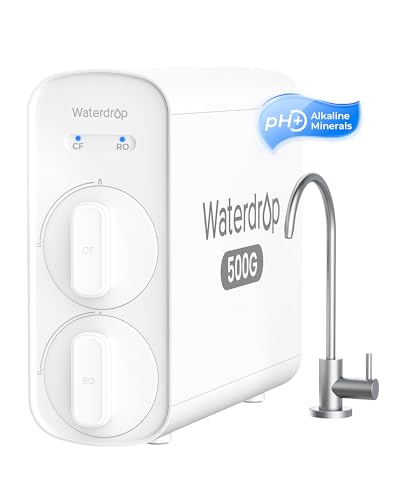
Next, ask: “What treatment technology do you recommend for my situation, and why?” The answer should reference your specific water chemistry — not just PFAS levels, but also pH, hardness, iron, manganese, and total organic carbon, all of which affect media life and system performance. Expect discussion of granular activated carbon (GAC), ion exchange resin, or reverse osmosis, with pros and cons for each.
Ask for a written scope of work that includes: pre-installation water test (third-party lab), system sizing calculations, equipment specifications with model numbers and certifications, installation timeline, warranty terms (equipment and labor), and a post-installation verification test. Avoid contractors who quote a price without seeing your water test results or inspecting your plumbing.
Finally, ask: “What maintenance is required, and who performs it?” PFAS treatment media exhausts over time. A responsible contractor will outline a maintenance schedule (typically annual media replacement or resin regeneration) and offer a service contract — or at least clear instructions for DIY maintenance if you prefer.
Understanding Costs and What’s Included
Costs vary widely based on contamination level, household size, plumbing complexity, and technology chosen. As a rough range: professional PFAS testing (18–25 compounds) typically costs $300–$600 per sample. Point-of-entry (whole-house) GAC or ion exchange systems often run $2,500–$6,000 installed. Point-of-use reverse osmosis at a single tap is $800–$2,000 installed. Whole-house reverse osmosis can exceed $10,000.
Get at least three detailed quotes. Each should break down: lab testing fees, equipment (with model numbers), labor, permits (if required), disposal of spent media, and first-year maintenance. Be wary of quotes that are significantly lower — they may omit post-installation testing, use non-certified media, or skip plumbing modifications needed for proper flow and backwashing.

Ask about financing or rebate programs. Some states (like Michigan, Massachusetts, and New Hampshire) offer low-interest loans or grants for PFAS treatment. Your contractor should know what’s available locally and help with paperwork. If they don’t, that’s a gap in their service knowledge.
Red Flags and When to Walk Away
Avoid any contractor who: guarantees “100% removal” or “PFAS-free water” — no technology achieves absolute zero, and honest professionals speak in terms of reduction to below detection limits or regulatory standards; pressures you to sign today with a “limited-time discount”; cannot provide references from similar PFAS projects in your area; uses proprietary or unbranded media without NSF/ANSI certification; or suggests a single technology for every home without reviewing your water chemistry.
Also be cautious if the contractor insists on testing only through their own in-house lab, refuses to share the lab’s accreditation certificate, or cannot explain the difference between PFOS, PFOA, GenX, and other PFAS compounds. PFAS remediation is compound-specific — a contractor who treats them all the same likely lacks the expertise you need.
Trust your instincts. If communication is unclear, documentation is missing, or the contractor dismisses your questions, keep looking. The cost of a poor installation — wasted money, ongoing exposure, or a system that fails inspection — far outweighs the time spent vetting a second or third company.
After Installation: Verification and Ongoing Protection
A job isn’t done until post-installation testing confirms the system works. Insist on a third-party lab test (not the contractor’s in-house test) 2–4 weeks after startup, using the same method as the baseline test. Compare results: you should see PFAS levels reduced to below your state’s maximum contaminant levels (MCLs) or health advisory levels, whichever is stricter.
Keep all records: lab reports, equipment manuals, warranty documents, maintenance logs, and contractor contact info. These are essential for home resale, insurance claims, or future troubleshooting. Set calendar reminders for media replacement based on the manufacturer’s rated capacity and your household’s actual water use — not just a generic “once a year” suggestion.

Re-test annually, or sooner if you notice changes in taste, odor, pressure, or if a new contamination source is identified nearby. PFAS plumes can shift, and media exhaustion isn’t always obvious. Ongoing vigilance is part of the responsibility of owning a treatment system.
FAQ
Can I test for PFAS myself and just hire a plumber to install a filter?
DIY test kits often lack the sensitivity and compound-specific reporting needed for health decisions or regulatory compliance. A plumber without PFAS-specific training may not select the right media, size the system correctly, or ensure proper backwashing and disposal. For anything beyond a single-tap RO unit, professional testing and design are strongly recommended.
How do I know if a contractor’s lab is legitimate?
Ask for the lab’s ISO/IEC 17025 accreditation certificate and the name of the accrediting body (e.g., A2LA, PJLA, or a state environmental lab program). You can verify accreditation on the accrediting body’s website. A legitimate contractor will provide this without hesitation.
What if my state doesn’t have PFAS regulations yet?
Use the EPA’s enforceable limits (currently 4.0 ppt for PFOA and 4.0 ppt for PFOS, set individually) or the most protective neighboring state standard as your benchmark. A qualified contractor should be aware of evolving federal and state guidance and design to the stricter standard.
How often does PFAS treatment media need replacement?
It depends on water volume, PFAS concentration, and competing contaminants. GAC typically lasts 6–18 months; ion exchange resin 12–36 months; RO membranes 2–5 years. Your contractor should calculate expected life based on your usage and provide a written schedule. Never guess — exhausted media can release captured PFAS back into the water.
This guide provides general homeowner education and does not replace site-specific assessment by a licensed water treatment professional. PFAS remediation involves health-related exposure decisions; always confirm system performance with independent, accredited laboratory testing. Consult your state health department for local regulations and certified contractor lists.
References
- Forever Chemicals and the Advancement of Filtration Standards. NSF
- Reducing PFAS in Your Drinking Water with a Home Filter. U.S. Environmental Protection Agency (fact sheet, April 2024)
These statements have not been evaluated by the Food and Drug Administration. This information is not intended to diagnose, treat, cure, or prevent any disease. Content is for informational purposes only and is not medical advice; consult a qualified healthcare provider before starting any supplement. As an Amazon Associate we earn from qualifying purchases.
