Homeowners who suspect PFAS contamination in their drinking water often face a confusing array of price points, from inexpensive test strips to full‑scale laboratory analyses and whole‑house filtration systems. Understanding what each option actually covers — and what it costs — helps you decide where to spend money and where a professional’s expertise is worth the investment.
This guide breaks down typical price ranges for testing kits, certified lab services, point‑of‑use filters, and whole‑house treatment, and it highlights the hidden expenses such as sample shipping, filter replacement, and professional installation. The numbers are based on publicly available retail and service pricing as of 2024; actual costs will vary by region, water chemistry, and the specific contaminants you need to address.
- DIY test kits cost $30‑$250 and are useful for initial screening, but they lack the detail and legal standing of accredited lab reports.
- Professional lab panels range from $250‑$950 per sample; add $150‑$300 if you need a technician to collect the water.
- Point‑of‑use filtration runs $150‑$600 upfront with $50‑$120 yearly cartridge costs; whole‑house systems start near $1,200 and can exceed $5,000 with installation.
- Budget 10‑15 % of equipment cost annually for filter media, cartridge changes, and any required verification testing.
- When results drive a real‑estate, regulatory, or health‑care decision, invest in certified laboratory testing and professional installation.
Understanding PFAS Testing Costs
Testing is the first step because you cannot size a filtration system correctly without knowing which PFAS compounds are present and at what concentrations. Retail test kits that use a simple colorimetric strip or a handheld meter typically cost between $30 and $80 per kit and give a rough indication of total PFAS or a few target compounds. These kits are useful for a quick screening but they do not provide the detailed, compound‑specific results that regulatory agencies or health‑based guidelines require.
Certified laboratory testing, on the other hand, uses methods such as EPA 537.1 or 533 and can quantify dozens of individual PFAS analytes down to parts‑per‑trillion levels. A standard residential panel (12‑18 analytes) generally runs $250‑$500 per sample, while expanded panels (30‑plus analytes) can exceed $800. Most labs charge a flat fee per sample plus a modest shipping surcharge; some offer discounts for multiple samples taken at the same address.
If you need results for a real‑estate transaction, a mortgage lender, or a state‑mandated compliance check, you will almost always be required to use an accredited lab. In those cases the higher cost is unavoidable, and the lab report carries legal weight that a DIY kit cannot provide.
DIY Testing Kits: What You Pay For
A typical DIY kit includes a collection bottle, a pre‑paid return envelope, and a test strip or a small cartridge that changes color in the presence of PFAS. The price you pay covers the consumable materials, the lab’s analysis of the returned sample (if the kit uses a lab read‑out), and the convenience of not having to locate a certified lab yourself. Kits that rely solely on a visual strip give an immediate, semi‑quantitative result but cannot differentiate between individual PFAS chemicals.

More advanced kits send the sample to a partner laboratory and return a digital report with compound‑specific concentrations. These kits cost $120‑$250 and usually include the lab fee in the upfront price. The turnaround is typically 7‑14 business days. While the per‑sample cost is lower than ordering a lab test directly, you lose the ability to request custom analyte lists or to discuss sampling protocol with a chemist.
Hidden costs can appear if you need to test multiple points in the home (e.g., kitchen tap, bathroom tap, well head). Each additional sample requires a separate kit or an extra lab fee, which can quickly bring the total close to a professional multi‑sample package.
Professional Laboratory Testing: Pricing and Turnaround
When you contract directly with an accredited environmental laboratory, you gain control over the analyte list, detection limits, and quality‑control documentation. Most labs publish a price sheet: a basic 12‑analyte panel is often $250‑$350, a 24‑analyte panel $400‑$550, and a comprehensive 40‑analyte panel $700‑$950. Volume discounts (5‑10 samples) can shave 10‑15 % off the per‑sample price.
Turnaround times vary: standard service is 10‑15 business days; expedited (3‑5 days) adds $75‑$150 per sample. Some labs offer a “rush” option for real‑estate closings that delivers a PDF report within 48 hours for an additional $200‑$300. The report includes method detection limits, chain‑of‑custody forms, and a certification statement — documents that DIY kits rarely provide.
Professional sampling services (a technician visits your home, collects the water following strict protocol, and ships the samples) add $150‑$300 per visit. This is valuable if you are unsure about proper sample preservation (e.g., keeping bottles chilled, avoiding headspace) or if you need legally defensible chain‑of‑custody records.
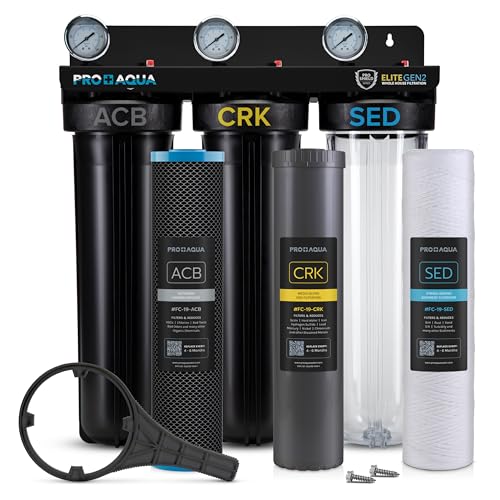
Filtration System Costs: Point‑of‑Use vs Whole‑House
Point‑of‑use (POU) devices — under‑sink reverse‑osmosis (RO) units, countertop carbon block filters, or dedicated PFAS‑targeted cartridges — typically cost $150‑$600 for the hardware. RO systems that include a pre‑filter, membrane, and post‑filter often sit at the higher end ($400‑$600) and can reduce many PFAS compounds by 90‑99 % when operated within spec. Replacement cartridges run $50‑$120 per year depending on water usage and contaminant load.
Whole‑house (point‑of‑entry) treatment is a larger investment. A granular activated carbon (GAC) system sized for a typical 2,000‑sq‑ft home starts around $1,200‑$2,000 for the vessel, media, and basic plumbing. High‑capacity ion‑exchange or specialty PFAS‑selective media can push the equipment cost to $3,000‑$5,000. Installation by a licensed plumber adds $500‑$1,500, depending on pipe access and local labor rates.
Operating costs for whole‑house systems include media replacement (every 12‑24 months for GAC, $300‑$800 per change) and periodic backwash water usage. Some municipalities offer rebates or low‑interest loans for PFAS mitigation; checking with your water utility can offset a portion of the capital expense.
Installation, Maintenance, and Hidden Expenses
DIY installation of a POU RO unit is feasible for homeowners comfortable with basic plumbing (cutting copper or PEX, installing a dedicated faucet). Expect to spend 2‑4 hours and possibly $30‑$80 on fittings, tubing, and a drill bit. Whole‑house systems almost always require a licensed plumber because they involve cutting into the main supply line, adding a bypass valve, and ensuring proper backflow protection.
Annual maintenance budgets should include filter/cartridge replacements, media regeneration or replacement, and any required water quality verification testing. A reasonable rule of thumb is to allocate 10‑15 % of the initial equipment cost per year for consumables and professional service calls.
Permitting fees are rare for residential POU devices but some jurisdictions require a permit for whole‑house installations, typically $50‑$200. If you are in a community with a known PFAS plume, local health departments may mandate a post‑installation verification test, adding another $250‑$500 to the project cost.

FAQ
Can I rely on a single DIY test strip to decide whether I need a whole‑house filter?
A single strip only gives a rough, semi‑quantitative indication of total PFAS and cannot identify which specific compounds are present. For sizing a whole‑house system or meeting regulatory requirements, a certified lab panel is recommended.
How often should I replace the cartridges in an under‑sink RO unit?
Most manufacturers suggest changing the pre‑filter and post‑filter every 6‑12 months and the RO membrane every 2‑3 years, but actual frequency depends on your water usage and contaminant levels. Follow the system’s pressure‑drop indicator or schedule a yearly water test to verify performance.
Are there any government rebates for PFAS filtration?
Some states and local utilities offer rebates, low‑interest loans, or tax credits for installing certified PFAS treatment, especially in known contamination zones. Check your state environmental agency website or contact your water provider for current programs.
What is the typical turnaround for a professional lab report?
Standard service is 10‑15 business days; expedited 3‑5 day service adds $75‑$150 per sample, and a 48‑hour rush for real‑estate closings can cost an extra $200‑$300.
Cost estimates are based on 2024 market data and can vary widely by region, water chemistry, and specific PFAS compounds present. For health‑related decisions, regulatory compliance, or complex whole‑house installations, consult a certified water‑quality professional and use an accredited laboratory for definitive testing.
These statements have not been evaluated by the Food and Drug Administration. This information is not intended to diagnose, treat, cure, or prevent any disease. Content is for informational purposes only and is not medical advice; consult a qualified healthcare provider before starting any supplement. As an Amazon Associate we earn from qualifying purchases.