PFAS — often called “forever chemicals” because they resist breakdown — have been detected in drinking water, indoor dust, and even the air inside homes across the United States. Understanding how widespread they are helps homeowners decide whether testing or treatment makes sense for their situation.
Research shows that PFAS can enter a home through multiple pathways: contaminated groundwater used for drinking, consumer products that shed fibers or residues, and dust that accumulates on surfaces. This article summarizes what the latest studies have found about prevalence, highlights common risk factors, and outlines practical steps for testing and filtration without overstating the risks.
- PFAS are frequently detected in both drinking water and indoor dust across many U.S. homes.
- Private‑well users and households near industrial or firefighting sites face higher water‑borne risk.
- Consumer products such as stain‑resistant fabrics and non‑stick cookware contribute to indoor dust levels.
- Certified laboratory water testing is the most reliable first step; dust testing is available but less standardized.
- Activated‑carbon and reverse‑osmosis filters can reduce many PFAS, but no system removes all compounds completely.
What the Research Shows About PFAS in Drinking Water
A 2023 investigation of shallow groundwater wells used for drinking water in Wisconsin reported PFAS detections in a substantial proportion of the sampled wells, indicating that groundwater can be a significant source of exposure for households relying on private wells or small community systems [1]. The study also traced several detections to nearby industrial and firefighting‑foam sources, underscoring the role of local land use in contamination levels.
Because groundwater chemistry varies by region, the Wisconsin findings may not represent every aquifer, but they illustrate a pattern seen in other states: PFAS are frequently present where industrial activity, military bases, or historic fire‑training sites have released these compounds. Homeowners on private wells should consider that a single test may not capture seasonal fluctuations, and periodic retesting is advisable if nearby land use changes.
PFAS in Indoor Dust and Air
A national 2023 survey measured ultrashort‑ and short‑chain PFAS in indoor air and dust across a broad sample of U.S. homes and found measurable levels in the majority of residences examined [2]. The study noted that concentrations were often higher in homes with newer carpet, stain‑resistant upholstery, or recent application of water‑repellent treatments.
An earlier 2020 analysis of dust collected from residential homes and fire stations throughout North America also detected PFAS in dust samples, confirming that indoor dust acts as a reservoir for these chemicals [3]. Dust ingestion — especially by young children who spend time on floors — can be a non‑water exposure route that complements drinking‑water intake.
Common Household Sources and Pathways
Everyday products such as non‑stick cookware, stain‑resistant fabrics, water‑repellent outdoor gear, certain food packaging, and some cleaning agents can release PFAS into the home environment over time. When these items wear, wash, or degrade, microscopic particles and volatile precursors can settle in dust or become airborne.
Building materials like certain paints, sealants, and carpet backings have also been identified as potential contributors. Homes located near airports, military installations, or manufacturing plants may experience higher background levels due to atmospheric deposition and runoff entering local water supplies.
Testing Options for Homeowners
Homeowners can start with a certified laboratory water test that targets the EPA’s recommended PFAS analyte list (typically 14–18 compounds). Many state health departments offer subsidized testing kits for private‑well owners; costs generally range from $150 to $400 depending on the number of analytes and turnaround time.
For indoor dust, a few specialized labs accept wipe or vacuum‑bag samples and report PFAS concentrations. Dust testing is less standardized than water testing, so results should be interpreted as a snapshot rather than a definitive exposure assessment. If you suspect a specific product (e.g., a new carpet), you can request a targeted test for the PFAS class most associated with that product.
Filtration Technologies and Practical Considerations
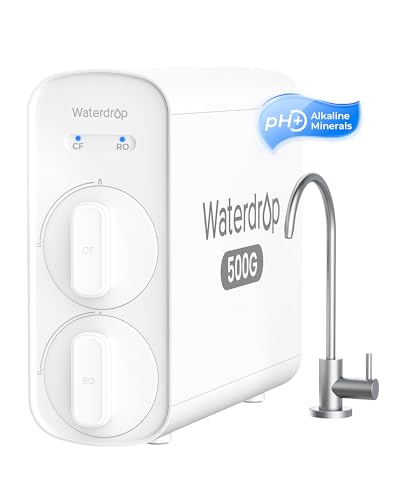
Point‑of‑use (under‑sink) and point‑of‑entry (whole‑house) systems that use granular activated carbon (GAC) or high‑capacity carbon block cartridges have demonstrated reduction of many long‑chain PFAS in independent lab tests. Reverse‑osmosis (RO) units provide broader removal, including short‑chain PFAS, but produce wastewater and require adequate water pressure.

When selecting a system, look for third‑party certification to NSF/ANSI 53 (for PFAS reduction claims) or NSF/ANSI 58 (for RO). Expect installed costs of $300–$1,200 for a quality under‑sink GAC unit and $1,500–$4,000 for a whole‑house RO system, plus annual cartridge replacement costs of $50–$200. No single technology guarantees complete removal of every PFAS compound, so combine treatment with source reduction where possible.
FAQ
How often should I test my well water for PFAS?
If you rely on a private well, test at least once initially and then every 1–2 years, or sooner if nearby land use changes (e.g., new industrial activity). Seasonal variations can affect concentrations, so a repeat test after a wet season adds confidence.
Can a simple pitcher filter remove PFAS?
Most pitcher filters use basic carbon media that is not certified for PFAS reduction. They may lower some long‑chain PFAS modestly, but they are not reliable for short‑chain compounds. Look for a filter certified to NSF/ANSI 53 for PFAS if you need meaningful reduction.
Is dust exposure a significant health concern?
Research shows PFAS are present in household dust, and ingestion of dust — especially by children — can contribute to total exposure [3]. Reducing dust accumulation through regular wet‑mopping, HEPA vacuuming, and minimizing use of stain‑resistant treatments can lower this pathway.
This information is for educational purposes only and does not constitute medical or legal advice. For comprehensive water quality assessment and system design, consult a licensed water‑treatment professional or your state health department.
References
- Prevalence and Source Tracing of PFAS in Shallow Groundwater Used for Drinking Water in Wisconsin, USA. Environmental science & technology, 2023
- Elevated Levels of Ultrashort- and Short-Chain Perfluoroalkyl Acids in US Homes and People. Environmental science & technology, 2023
- Per- and Polyfluoroalkyl Substances in Dust Collected from Residential Homes and Fire Stations in North America. Environmental science & technology, 2020
These statements have not been evaluated by the Food and Drug Administration. This information is not intended to diagnose, treat, cure, or prevent any disease. Content is for informational purposes only and is not medical advice; consult a qualified healthcare provider before starting any supplement. As an Amazon Associate we earn from qualifying purchases.
