Landlord PFAS obligations vary by state, with some jurisdictions developing specific requirements given documented contamination concerns.
- PFAS-specific landlord obligations vary significantly by state, unlike some more universal hazard requirements.
- General habitability requirements may indirectly touch on documented contamination in some jurisdictions.
- Tenants can request information or improvements, particularly in documented contamination areas.
- Confirm your specific state’s current requirements given this evolving regulatory landscape.
Varying State Requirements
Unlike some hazards with universal landlord requirements, PFAS-specific landlord obligations vary significantly by state, with some jurisdictions in documented contamination areas developing specific rules.
General Water Quality Obligations
General habitability requirements around safe water may indirectly touch on documented PFAS contamination in some jurisdictions, even absent a PFAS-specific mandate.
What Tenants Can Request
Tenants interested in this topic can request information or discuss potential improvements with their landlord, particularly in documented contamination areas.

Documenting What Was Actually Done
Where a landlord does take action, keeping a record of it is generally worth the small effort. Dates of any testing, the laboratory and panel used, what treatment was installed and when media was last replaced are the details that answer a tenant question directly rather than from memory.
Written communication serves the same purpose in both directions. A tenant who raises a concern in writing and a landlord who responds in writing both end up with a record of what was asked and what was done, which tends to prevent the disagreements that arise when the only account is a recollection of a conversation.
Where Responsibility Usually Divides
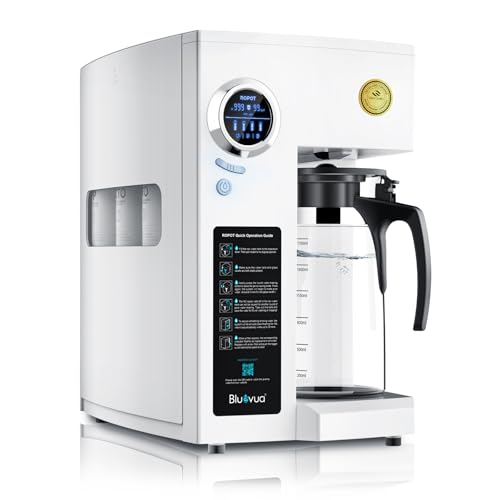
The practical split tends to follow who controls what. The incoming supply, the plumbing and any fixed treatment attached to the property are ordinarily the landlord side of the line, since a tenant cannot modify them. A countertop or pitcher style filter that a tenant buys and takes with them sits clearly on the tenant side.
Properties on a private well differ from those on a public supply, because a public supply carries its own regulatory monitoring while a private well does not. That distinction changes what information already exists and who is expected to obtain it, and it is one of the reasons requirements vary so much between jurisdictions.
FAQ
Do landlords have to address PFAS in documented contamination areas?
This varies significantly by state — some jurisdictions with documented contamination have developed specific requirements, while others rely on general habitability standards.
Can a tenant install their own filter?
A countertop or pitcher style filter generally requires no modification to the property and is straightforward. Anything that connects to the plumbing or alters fixtures usually needs the landlord agreement, and the tenancy agreement is the place that question is answered.
Who is expected to pay for testing?
This varies by jurisdiction and by tenancy agreement, and there is no single answer. Where a specific requirement exists it is usually tied to the supply type and the local rules, so confirming the current position in your own state is the reliable step.
Does a property on a private well change things?
Generally yes. A public supply carries its own regulatory monitoring while a private well does not, so on a well there is no existing monitoring record to refer to. That difference affects what information exists and who is expected to obtain it, and it is one reason requirements vary so widely.
Confirm your specific state’s current PFAS-related landlord requirements given this evolving, state-variable regulatory landscape.
These statements have not been evaluated by the Food and Drug Administration. This information is not intended to diagnose, treat, cure, or prevent any disease. Content is for informational purposes only and is not medical advice; consult a qualified healthcare provider before starting any supplement. As an Amazon Associate we earn from qualifying purchases.
