Comparing prevention costs against the cost of addressing documented contamination illustrates why proactive PFAS prevention is generally the better choice.
- Ongoing prevention runs roughly $100-$300 annually — a modest, predictable cost.
- Addressing documented contamination after the fact can run considerably more than proactive prevention.
- PFAS’s persistent bioaccumulation means delayed action allows continued accumulation over time.
- Prevention is generally the better choice on both cost and health-timing grounds.
Prevention Costs
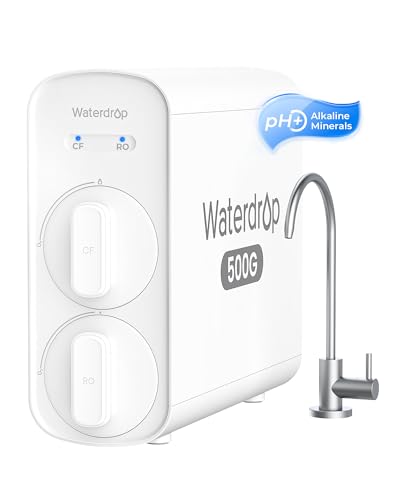
Ongoing PFAS prevention (certified filtration, periodic testing) runs roughly $100-$300 annually for a typical household — a modest, predictable recurring cost.
Costs of Addressing Documented Contamination
In documented contamination areas, addressing the issue after discovery (comprehensive whole-home treatment, potentially well replacement in severe cases) can run considerably more than proactive, moderate prevention investment.

The Health Stakes Beyond Cost
Beyond financial cost, PFAS’s persistent bioaccumulation means delayed action allows continued accumulation over time — a health consideration beyond the purely financial comparison.
What Actually Drives the Gap
The difference between the two figures is mostly a difference in scope. Ongoing prevention generally means treating the water used for drinking and cooking, which is one tap and one cartridge schedule. Addressing documented contamination after the fact tends to mean treating the whole incoming supply, which brings in plumbing work, a larger vessel and a service arrangement.
Several costs attach to the larger job that have no equivalent in the smaller one. Whole house systems need somewhere to sit, isolation valves and a bypass so the property still has water during service, and spent media has to be handled and disposed of according to local rules. None of that applies to a cartridge swap under a sink.
The Costs That Never Appear on an Invoice
Comparing quotes captures the money and misses the rest. Arranging testing, waiting for results, obtaining and comparing quotes and being present for installation all take time, and a household dealing with a confirmed problem often buys bottled water in the interim, which is a real recurring cost while it lasts.
Retesting afterwards is part of the picture too, since a system installed in response to a specific finding is generally worth verifying against the baseline that prompted it. These are ordinary consequences of acting after a problem is confirmed rather than before, and they are the practical reason the two paths differ by more than the equipment price suggests.
FAQ
Is it really worth investing in prevention before I know if I have a problem?
Given PFAS’s persistent bioaccumulation (delayed action allows continued accumulation) and the modest relative cost of prevention, proactive investment is generally the better choice, especially in documented-concern areas.
Is a point of use filter enough on its own?
For the drinking and cooking pathway, a certified point of use system covers the route most households are concerned about. Whole home treatment extends that to bathing and laundry, which is a broader scope and a different decision.
Does prevention reduce what is already in my body?
No. Treatment reduces what enters through drinking water from the point it is installed. It does not act on prior exposure. That is why the emphasis falls on reducing ongoing intake rather than on reversing anything.
Given PFAS’s bioaccumulation profile, earlier prevention action provides more benefit than delayed action after documented contamination is found.
These statements have not been evaluated by the Food and Drug Administration. This information is not intended to diagnose, treat, cure, or prevent any disease. Content is for informational purposes only and is not medical advice; consult a qualified healthcare provider before starting any supplement. As an Amazon Associate we earn from qualifying purchases.
