PFAS exposure during pregnancy has a more developed research base than some newer water quality concerns, given years of accumulated study.
- Epidemiological research has documented associations between prenatal PFAS exposure and certain outcomes.
- PFAS’s documented ability to cross the placental barrier makes pregnancy an area of particular attention.
- This is a more developed research area than for some newer water quality concerns.
- Discuss specific concerns, including potential blood testing, with your OB/GYN.
Documented Research Associations
Epidemiological research has documented associations between PFAS exposure during pregnancy and certain developmental and health outcomes, an area with meaningful accumulated study relative to some other water contaminants.
Why Pregnancy Warrants Particular Attention
Given PFAS’s ability to cross the placental barrier (documented in research), pregnancy is an area where many choose particular attention to exposure reduction.
What the Studies Actually Found
EPA summarises the peer-reviewed literature this way: exposure to certain levels of PFAS may lead to reproductive effects that include increased high blood pressure in pregnant women, and to developmental effects in children that include low birth weight.[1] The National Academies of Sciences, Engineering, and Medicine, reviewing the evidence to shape clinical guidance, list small reductions in birth weight among the adverse effects PFAS exposure has been linked to.[2]
Birth weight is the most studied outcome, and the two strongest reviews read it differently. A systematic review using the Navigation Guide method rated the human evidence as moderate quality and concluded there is sufficient evidence that developmental exposure to PFOA reduces fetal growth.[3] A later meta-analysis that added newer studies was more cautious. It found only modest support for lower birth weight with higher PFOA, and the studies that sampled blood early in pregnancy, where confounding and reverse causality are less of a concern, showed little or no association.[4] Both readings are worth holding at once: the link is consistent enough for agencies to list it, and the effect being described is small.
Blood pressure is the second thread. A meta-analysis of observational studies found a higher risk of preeclampsia with exposure to the legacy compounds PFOA, PFOS and PFHxS, and linked PFOS to hypertensive disorders of pregnancy more broadly. The authors rated most of those estimates as low certainty and said the findings should be interpreted with caution.[5]
None of this predicts what will happen in a particular pregnancy. These are associations measured across large groups of people, which is exactly why the practical advice on this page is about reducing ongoing intake and talking to your own provider, not about alarm.
How the Compounds Reach the Fetus
The placental crossing mentioned above is measured directly, by comparing PFAS levels in umbilical cord blood with levels in the mother’s blood. A birth cohort study of several hundred mother and newborn pairs found both the older compounds and their newer replacements in cord serum, and found that some replacements, including the short-chain compound PFBA, crossed at higher rates than PFOA and PFOS. The authors concluded that the alternatives may cross the placenta more easily than conventional PFAS.[6] That is one reason a test result or a product claim covering only PFOA and PFOS does not tell the whole story.
EPA adds a point specific to drinking water. Pregnant and lactating women tend to drink more water per pound of body weight than the average person, so where PFAS is present in the water they may have higher exposure than other people. EPA also notes that exposure may be possible in utero, and that after birth infants can be exposed through breast milk from mothers with PFAS in their blood and through formula made with water containing PFAS.[1]
On breastfeeding, EPA’s position is that based on current science the benefits appear to outweigh the risks for infants exposed to PFAS in breast milk, and it directs mothers to their doctors to weigh the two.[1] The formula point is the one a household can act on directly, because the water used to mix it comes from the same tap discussed below.

Discussing With Your Physician
Discuss any specific concerns, including potential blood testing, with your OB/GYN, who can provide guidance considering your overall health picture and current research.

Where Exposure Reduction Is Practical
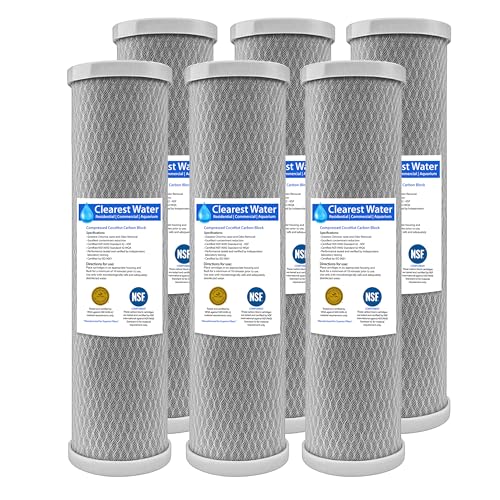
Drinking and cooking water is generally the household pathway most within reach, which is why it tends to be where attention goes first. A certified point of use filter on the tap used for drinking and food preparation addresses that pathway without requiring changes to the rest of the home.
It is worth being clear about what that does and does not cover. Treating the kitchen tap does not address other household or dietary routes, and no filtration choice changes exposure that has already occurred. Anyone weighing this during pregnancy is generally best served by raising it with their own clinician, who can consider it alongside everything else in the picture.
What Blood Testing Can and Cannot Tell You
Blood testing is sometimes raised in this context, and it helps to understand what it measures before requesting it. A result reflects cumulative past exposure from all sources rather than what is in the tap today, and it does not by itself indicate that any particular action is needed.
Because a result on its own does not arrive with a course of action attached, the value of testing depends heavily on what would be done with it. That is a conversation for an obstetric provider or a clinician familiar with your history, not a decision to make from general information.
Who Is Advised to Ask About Blood Testing
The National Academies report recommended that the CDC update its clinical guidance so that clinicians offer PFAS blood testing to patients who are likely to have a history of elevated exposure, such as people with occupational exposure or people who live in areas known to be contaminated. Where a result shows levels associated with an increased risk of adverse effects, it recommended regular screening and monitoring.[2]
That framing is useful when you raise the question with an obstetric provider. Living on a water system with a known PFAS problem, or working in a job that handles these materials, is the kind of history the recommendation describes. Without that history, the point above still stands: a result reflects past exposure, and its value depends on what you and your provider would do with it.
FAQ
Should I prioritize PFAS filtration during pregnancy specifically?
Given documented research on placental crossing and prenatal exposure associations, many choose to prioritize exposure reduction during pregnancy — discuss specifics with your OB/GYN.
If I start filtering now, does that lower what is already in my body?
No. Filtration reduces what enters through drinking water going forward. It does not act on exposure that has already occurred. These compounds are recognised as persistent, which is part of why the emphasis falls on reducing ongoing intake.
Is bottled water a safer default during pregnancy?
Not automatically. Bottled water is not inherently free of these compounds, and it carries no certification for their reduction unless the product specifically states one. A certified filter on the tap is the more verifiable option.
Consult your physician for pregnancy-specific guidance rather than relying solely on general information.
References
- U.S. Environmental Protection Agency. Our Current Understanding of the Human Health and Environmental Risks of PFAS. epa.gov
- National Academies of Sciences, Engineering, and Medicine. Guidance on PFAS Exposure, Testing, and Clinical Follow-Up (2022). nap.nationalacademies.org
- Johnson PI, Sutton P, Atchley DS, et al. The Navigation Guide, evidence-based medicine meets environmental health: systematic review of human evidence for PFOA effects on fetal growth. Environmental Health Perspectives (2014). PMID 24968388
- Steenland K, Barry V, Savitz D. Serum perfluorooctanoic acid and birthweight: an updated meta-analysis with bias analysis. Epidemiology (2018). PMID 30063543
- Hu CY, Qiao JC, Gui SY, et al. Perfluoroalkyl and polyfluoroalkyl substances and hypertensive disorders of pregnancy: a systematic review and meta-analysis. Environmental Research (2023). PMID 37178750
- Cai D, Li QQ, Chu C, et al. High trans-placental transfer of perfluoroalkyl substances alternatives in the matched maternal-cord blood serum: evidence from a birth cohort study. Science of the Total Environment (2020). PMID 31841927
These statements have not been evaluated by the Food and Drug Administration. This information is not intended to diagnose, treat, cure, or prevent any disease. Content is for informational purposes only and is not medical advice; consult a qualified healthcare provider before starting any supplement. As an Amazon Associate we earn from qualifying purchases.