Confirming your installed system’s actual performance closes the loop and provides genuine assurance given PFAS’s specific removal characteristics.
- Test water after installation, compared against your pre-installation baseline.
- Periodic retesting, particularly near scheduled media replacement, confirms ongoing effectiveness.
- Contact your installer to review configuration and media status if performance falls short.
- This verification loop matters particularly given PFAS’s saturation-based removal mechanism.
Post-Installation PFAS Testing
Test your water after installation (compared against your pre-installation baseline) to confirm the system achieves its certified reduction level for your specific water’s compound profile.
A baseline is only useful if you know where the number came from, so the lab matters as much as the timing. EPA advises using only laboratories certified to do drinking water testing, and points to a state certified laboratory or the local health department as the way to find one[2]. For a municipal supply EPA also suggests contacting the water provider first to find out which PFAS, if any, are present, since a filter chosen without knowing the compound profile is being chosen blind[1].
Verification after an installation is not an unusual ask. EPA treats replacing or repairing any part of a well system as a trigger to test the water immediately[2], and installing treatment is exactly that kind of change. It also advises re-testing to confirm a contaminant’s presence and concentrations rather than acting on one result[2], which applies just as sensibly to confirming a reduction as to confirming a problem.
Ongoing Performance Monitoring
Periodic retesting, particularly as media approaches its replacement schedule, confirms the system continues performing effectively given PFAS’s saturation-based removal mechanism.
The reason retesting is tied to the media schedule rather than to the calendar alone is stated plainly by EPA: filters are only effective if they are maintained according to the manufacturer’s instructions, and failing to replace a filter on the recommended schedule can increase your risk of exposure to PFAS[1]. A saturated cartridge does not announce itself at the tap, which is what makes a test near the replacement point informative rather than routine.
If the property is on a private well there is a second schedule worth keeping alongside the PFAS one. EPA recommends testing a private well annually for total coliform bacteria, nitrates, total dissolved solids and pH[2], and testing more often where small children or elderly adults live in the house or someone is pregnant or nursing[2]. Those are different analytes from PFAS and a PFAS panel does not cover them.

What to Do If Performance Falls Short
If post-installation testing doesn’t show the expected reduction, contact your installer to review system configuration, sizing, and media status before assuming the technology itself is inadequate.
Before concluding the system has failed, it is worth checking what the certification actually promised. EPA notes that as of April 2024 filter certifications focus on removing PFOA and PFOS, two specific PFAS among many[1], so a unit performing exactly as certified can still leave other compounds in the result. There are five ANSI-accredited third-party certification bodies evaluating drinking water filters for PFAS reduction, and EPA suggests checking the relevant body’s product directory, or contacting it directly, when the packaging is unclear[1].
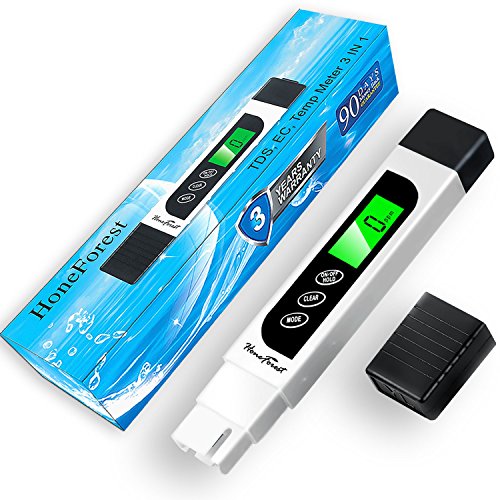
Sampling So the Result Actually Means Something
A post installation test is only informative if it is comparable to the baseline it is being measured against. In practice that means sampling from the treated outlet rather than an untreated tap elsewhere in the house, and following the same collection instructions the laboratory gave for the first sample, including any flushing or standing time the kit specifies.
Using the same laboratory and the same analytical panel as the baseline removes a large source of confusion. Different panels cover different compounds and different laboratories may report down to different limits, so a change between two tests can reflect a change in method rather than a change in the water.
Reading a Partial Reduction Without Guessing
Reduction is compound specific, so it is normal for a result to show a substantial change in some compounds and little change in others. That pattern usually says something about what the system was certified to treat rather than about whether it is working at all, and the certification listing is where that question gets answered.
A partial reduction is also easier to interpret if you know the result was never going to be the whole picture. EPA describes PFAS in drinking water as potentially a significant portion of a person’s total exposure[1], not the entirety of it, and ATSDR frames exposure as happening through breathing, eating, drinking or touching[3]. A treated tap addresses one of those. That is worth doing and it is not the same as removing exposure, which is the honest way to read a good test result rather than an argument against getting one.
Before concluding that a system has failed, it is worth checking the ordinary explanations first: whether the media was installed correctly, whether it has already been in service beyond its rated capacity, and whether the sample was actually drawn from the treated outlet. Your installer is generally better placed to work through those than a replacement purchase is.
FAQ
How do I know my new PFAS system is actually working?
Compare a post-installation water test against your pre-installation baseline — a meaningful reduction in your specific compound profile confirms the system is performing as certified.
Does it matter if I use a different laboratory for the follow up test?
It can. Different laboratories may use different panels and report to different limits, so a difference between two results may reflect the method rather than the water. Using the same laboratory and panel makes the comparison cleaner.
How soon after installation should I test?
Follow the manufacturer guidance, which generally involves running the system for a period before sampling so the result reflects normal operation rather than initial startup. The collection instructions supplied with the kit take precedence.
References
- Reducing PFAS in Your Drinking Water with a Home Filter. U.S. Environmental Protection Agency (fact sheet, April 2024)
- Protect Your Home’s Water. U.S. Environmental Protection Agency, Private Drinking Water Wells
- PFAS and Your Health. Agency for Toxic Substances and Disease Registry
Don’t assume system effectiveness without post-installation testing given the range of technologies and performance levels available.
These statements have not been evaluated by the Food and Drug Administration. This information is not intended to diagnose, treat, cure, or prevent any disease. Content is for informational purposes only and is not medical advice; consult a qualified healthcare provider before starting any supplement. As an Amazon Associate we earn from qualifying purchases.
