Pets sharing household tap water are exposed to the same PFAS levels as human household members drinking the same source.
- Pets drinking the same tap water are exposed to identical PFAS concentrations as human household members.
- There is some emerging veterinary research interest in PFAS effects on companion animals.
- Household filtration addressing human exposure simultaneously benefits pets sharing the same water source.
- A separate pet-specific filtration system typically isn’t necessary given this shared exposure pathway.
Shared Water Source Exposure
Pets drinking the same tap water as human household members are exposed to identical PFAS concentrations, given this shared exposure pathway.
That shared-source assumption has been examined directly rather than inferred. A 2026 study quantified 36 targeted PFAS in serum from domestic cats and dogs alongside paired samples of pet food, tap water and faeces, and detected eleven PFAS in more than half of dog serum samples and ten in more than half of cat serum samples[1]. Companion animals living in treated and untreated households are, in other words, measurable rather than hypothetical subjects.
The same study found something that complicates the neat version of the story. Cats and dogs showed divergent serum profiles, with dogs carrying higher relative abundances of long-chain compounds[1]. The concentration in the bowl is identical for every animal drinking from it, but what accumulates in the animal is species-specific, which is the ordinary reason veterinary exposure is not treated as a scaled version of human exposure.
Some Veterinary Research Interest
There is some emerging veterinary research interest in PFAS exposure effects on companion animals, given documented bioaccumulation across species broadly.
It is worth being concrete about why that interest is described as emerging rather than established. A 2026 methods paper developing and validating quantification of eleven PFAS in canine serum and feline plasma opens by naming the problem directly: while PFAS have been quantified extensively in human biological fluids, validated analytical techniques for companion animals remain scarce[3]. The measurement tools are being built now, which is the practical reason the veterinary literature lags the human literature rather than any judgement that the question matters less.
The framing researchers are using is that companion animals may serve as sentinels of human exposure to environmental contaminants[1]. Animals sharing a house drink the same water and spend more hours in it, so what shows up in them is informative about the household rather than only about the pet.

What Pet Owners Can Do
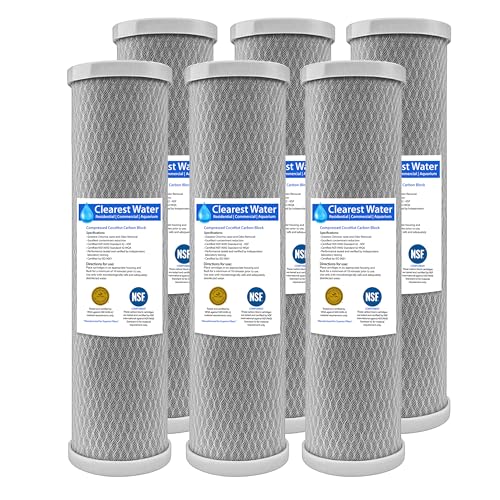
The same household filtration addressing human PFAS exposure through drinking water simultaneously benefits pets sharing the same water source.
Since the answer is the household filter rather than a pet-specific one, the thing worth getting right is whether that filter actually addresses PFAS. EPA’s test is to check the product packaging for certification to NSF/ANSI 53 or NSF/ANSI 58 for PFAS reduction[5], and it notes that as of April 2024 those certifications focus on PFOA and PFOS specifically rather than the full range of PFAS[5]. EPA is also direct that filters are only effective when maintained according to the manufacturer’s instructions, so a lapsed cartridge protects nobody in the house, animal or otherwise[5].

Why Body Size Changes the Arithmetic
The concentration in the water is the same for every household member, but the amount consumed relative to body weight is not. A small companion animal drinking freely through the day may take in considerably more water per unit of body weight than an adult human in the same house, which is the ordinary reason animal exposure is not simply assumed to mirror human exposure.
That is an observation about dose rather than a statement about outcomes in animals, which is a question for veterinary research and for your own vet. The practical point is narrower and more useful: if the household is already treating its drinking water, filling the animal bowl from the treated tap costs nothing extra and keeps the whole household on the same water.
Household Routes That Are Not the Water Bowl
Animals interact with a home differently from the people in it. Time spent on floors, grooming behaviour that transfers whatever is on the coat or paws, and close contact with soft furnishings all mean that household dust and treated fabrics are plausible pathways alongside drinking water.
There is one route that belongs on this list and is easy to leave off, because it has nothing to do with the tap. An analysis of 100 commercially available dog and cat food products screened for 34 target PFAS found them frequently detected, with concentrations varying by food type, ingredients and country of origin, and fish-based products carrying elevated PFOS and PFUnDA[2]. Diet is a documented dietary source in its own right, not a footnote to the water question, and the sentinel study measured pet food alongside serum and tap water for exactly that reason[1].
That does not turn into a shopping instruction here, because food choice for an individual animal is a veterinary conversation rather than a water-treatment one. It does change what the page is claiming: filtering the bowl addresses the drinking water pathway and leaves the dietary one untouched. Household dust remains worth ordinary attention too, since ATSDR lists accidentally swallowing contaminated dust among the ways exposure occurs[4], and an animal that grooms itself after lying on the floor is plainly exposed to that route differently than the people in the house are.
None of that changes the recommendation for the water itself, and none of it is a reason to buy a separate filtration system. It is a reason to treat ordinary household cleaning as part of the same picture rather than assuming the drinking bowl is the only thing worth attention.
FAQ
Should I filter water separately for my pet?
Not necessarily — the same household filtration addressing human PFAS exposure through shared tap water simultaneously benefits pets drinking from the same source.
Do smaller animals face a different level of exposure?
Relative to body weight, a small animal drinking freely can take in more water than a larger household member. That is a statement about dose, not about outcomes. Discuss any specific concern with your veterinarian.
Is it enough to fill the bowl from a filtered tap?
For the drinking water pathway, yes, that is the same protection the rest of the household gets. A separate pet specific system is generally unnecessary where the household already treats its tap water.
References
- Cats and dogs as complementary sentinels of PFAS exposure. Environment International (2026). PMID 42508201
- Widespread PFAS contamination in pet food: Dietary sources and health risks to companion animals. Environmental Pollution (2026). PMID 41655880
- Novel LC-MS/MS Method for Monitoring PFAS in Companion Animal Blood Plasma and Serum. International Journal of Veterinary Science and Medicine (2026). PMID 42146915
- PFAS and Your Health. Agency for Toxic Substances and Disease Registry
- Reducing PFAS in Your Drinking Water with a Home Filter. U.S. Environmental Protection Agency (fact sheet, April 2024)
Veterinary-specific PFAS research remains more limited than human research — consult your veterinarian for pet-specific health concerns.
These statements have not been evaluated by the Food and Drug Administration. This information is not intended to diagnose, treat, cure, or prevent any disease. Content is for informational purposes only and is not medical advice; consult a qualified healthcare provider before starting any supplement. As an Amazon Associate we earn from qualifying purchases.