PFAS — often called forever chemicals — have been detected in drinking water across the country, prompting many homeowners to look for reliable testing and treatment options [1]. This guide walks you through the main product categories, what to look for on labels, and realistic cost expectations so you can make an informed decision without hype.
Because the science on long‑term health effects is still evolving and no single product can guarantee complete removal, the information below emphasizes verified performance standards, maintenance requirements, and the points where professional help becomes the safer choice.
- Start with a certified laboratory test (EPA Method 537.1) to know exactly which PFAS are present and at what levels.
- Choose a treatment technology (GAC, ion‑exchange, or RO) that carries NSF/ANSI 53 or 58 certification with a documented PFAS reduction claim. NSF/ANSI 401 does not cover PFAS.
- Factor total cost of ownership — hardware, replacement media, water waste, and potential professional installation — over a 5‑year horizon.
- Verify performance after installation with a follow‑up lab test and repeat annually or when flow/taste changes.
- Engage a licensed plumber or water‑treatment specialist for whole‑house systems, high contamination levels, or complex plumbing.
Understanding PFAS testing options for homeowners
Home test kits fall into two broad groups: laboratory‑sent kits and on‑site rapid tests. Laboratory kits typically include a sterile bottle, a prepaid shipping label, and a chain‑of‑custody form; you collect a sample, mail it, and receive a detailed report that lists individual PFAS compounds (often PFOA, PFOS, PFHxS, PFNA, and others) with concentrations in parts per trillion. Rapid tests use a handheld device or colorimetric strip to give a quick yes/no or semi‑quantitative reading, but they usually screen for only a few target compounds and have higher detection limits.
When comparing kits, check the analytical method listed on the packaging. EPA Method 537.1 (or its newer revisions) is the widely accepted standard for drinking‑water PFAS analysis and can detect concentrations down to 2–5 ppt for many analytes. Kits that reference this method or an equivalent ISO‑accredited laboratory are more likely to produce data you can share with a water utility or a treatment professional.
Price ranges: basic laboratory kits for a single sample typically cost $120–$250, while multi‑analyte panels or expedited turnaround can push the price above $400. Rapid on‑site kits are cheaper up front ($30–$80) but may require confirmatory lab testing if results are near a regulatory threshold, adding to total cost.
Types of home filtration technologies that address PFAS
The three residential technologies with the most independent performance data for PFAS are granular activated carbon (GAC), ion‑exchange resin, and reverse osmosis (RO). GAC filters adsorb a broad range of organic contaminants, including many long‑chain PFAS, but their capacity declines as the media saturates, so regular cartridge replacement is essential.
Ion‑exchange resins are engineered to target the charged functional groups of PFAS molecules, often achieving higher removal percentages for short‑chain compounds that GAC struggles with. These systems usually appear as a dedicated cartridge or a mixed‑media tank and also require scheduled media change‑outs based on water volume or pressure drop.

Reverse osmosis forces water through a semi‑permeable membrane that rejects most dissolved solids, including virtually all PFAS species. RO units typically include pre‑ and post‑filters (sediment, carbon) to protect the membrane and improve taste. The trade‑off is higher water waste (typically 3–4 gal rejected per gallon produced) and the need for adequate inlet pressure.
Certification standards and what they mean for PFAS performance
Look for products that carry NSF/ANSI 53 (for carbon and ion‑exchange) or NSF/ANSI 58 (for reverse osmosis) certification with a specific PFAS reduction claim. The certification mark indicates that an accredited laboratory has tested the unit against a challenge water containing a defined PFAS mixture and verified that the product meets the claimed reduction percentage over its rated service life.
Some manufacturers also reference NSF/ANSI 401, which covers emerging compounds such as prescription drugs, over-the-counter medications, herbicides and pesticides. It does not cover PFAS, so a 401 listing is not evidence of broader PFAS coverage; that claim is certified only under NSF/ANSI 53 or 58.
Be cautious of marketing language such as “PFAS‑free” or “eliminates forever chemicals” without a certification number. A legitimate claim will cite the standard, the test laboratory, and the exact reduction percentage (e.g., “≥ 99 % reduction of PFOA and PFOS per NSF/ANSI 53”).
Cost considerations: upfront price, operating expense, and total cost of ownership
Entry‑level GAC pitcher or faucet‑mount filters start around $30–$70, with replacement cartridges costing $15–$30 every 2–3 months depending on usage. Whole‑house GAC or ion‑exchange systems range from $800 to $2,500 installed, plus media replacement every 12–24 months at $200–$600 per change.
Point‑of‑use reverse osmosis units (under‑sink) typically cost $250–$600 for the hardware, with membrane and filter replacements totaling $80–$150 per year. Whole‑house RO systems are rare for residential use because of high waste‑water volumes and cost ($4,000–$10,000+), and they usually require professional plumbing.
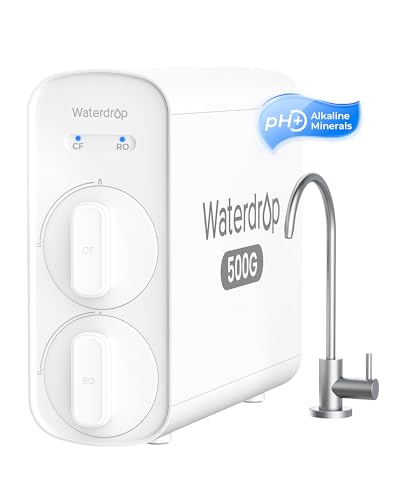
When budgeting, factor in water usage (gallons per day), local water pressure, and any required pre‑treatment (e.g., sediment filter) that may add $50–$150 annually. A simple spreadsheet comparing total 5‑year cost (hardware + media + water waste) helps reveal the most economical option for your household size.
Installation, maintenance, and performance verification
Most point‑of‑use carbon and RO units are designed for DIY installation with basic tools (adjustable wrench, tubing cutter). Follow the manufacturer’s step‑by‑step guide, ensure all connections are leak‑free, and flush the system for the recommended volume before first use.
Whole‑house systems (GAC tanks, ion‑exchange vessels, or RO skids) generally require a licensed plumber because they involve cutting into the main supply line, adding bypass valves, and meeting local code for backflow prevention. Improper installation can cause pressure loss, leaks, or bypass of untreated water.
After installation, verify performance by sending a post‑treatment sample to a certified lab (using the same method as your baseline test). Repeat testing at least annually, or sooner if you notice changes in taste, odor, or flow rate, which can indicate media exhaustion or membrane fouling.
When to involve a licensed professional
If your initial water test shows PFAS concentrations above your state’s advisory level (often 10–70 ppt for PFOA/PFOS combined) or if you have a complex plumbing layout (multiple wells, mixed municipal/well supply), a water‑treatment specialist can design a system that meets both health goals and code requirements.
Professionals also provide sizing calculations, ensure proper disposal of spent media (some PFAS‑laden carbon may be classified as hazardous waste), and can integrate monitoring devices that alert you when replacement is due.

Even for DIY‑friendly units, consider a professional consultation if you lack confidence in interpreting lab reports, need help selecting the right certification, or want a written performance guarantee for insurance or resale purposes.
FAQ
Can a simple pitcher filter remove PFAS?
Standard pitcher filters using only basic activated carbon are not certified for PFAS reduction and typically lack the contact time and media capacity needed for reliable removal. Look for a pitcher that specifically lists NSF/ANSI 53 certification for PFOA/PFOS reduction.
How often should I replace the filter cartridge?
Replacement intervals depend on the technology and your water usage. GAC cartridges often need changing every 2–3 months, ion‑exchange media every 12–24 months, and RO membranes every 2–3 years with pre‑/post‑filters annually. Follow the manufacturer’s rated service life and confirm with periodic testing.
Is reverse osmosis waste water a concern for septic systems?
RO units discharge 3–4 gal of concentrate per gallon of product water, which can increase hydraulic load on a septic system. If you have a septic tank, consult a septic professional before installing a whole‑house RO system; point‑of‑use units usually produce a manageable volume.
Do I need to test for every PFAS compound?
Most regulatory and health advisories focus on a core group (PFOA, PFOS, PFHxS, PFNA, PFBS). A laboratory panel that includes these five provides a practical snapshot. Expanded panels add cost but may be useful if you live near known industrial sources.
This guide provides general product‑category information and cost ranges; it does not replace a site‑specific water‑quality assessment. For contamination levels above health advisories, complex plumbing, or any uncertainty about system sizing or waste disposal, consult a licensed water‑treatment professional or your local health department.
References
- PFAS Explained. U.S. Environmental Protection Agency
These statements have not been evaluated by the Food and Drug Administration. This information is not intended to diagnose, treat, cure, or prevent any disease. Content is for informational purposes only and is not medical advice; consult a qualified healthcare provider before starting any supplement. As an Amazon Associate we earn from qualifying purchases.
