Many homeowners try to tackle PFAS contamination on their own, but small missteps can reduce the effectiveness of treatment or even increase exposure. Understanding where DIY efforts commonly go wrong helps you protect your household without wasting time or money.
This guide outlines the most frequent errors people make when testing for and filtering PFAS, explains why they matter, and points out when it’s wise to bring in a qualified professional.
- Always start with a certified lab test before buying any treatment equipment.
- Match filter media to the specific PFAS compounds detected in your water.
- Install and maintain systems exactly as the manufacturer specifies; keep a maintenance log.
- Identify and address the contamination source, not just the symptom at the tap.
- Size your treatment system for actual household flow and volume to avoid breakthrough.
Skipping Certified Laboratory Testing
Home test kits that claim to detect PFAS often lack the sensitivity and specificity needed for reliable results. Without a certified lab analysis, you may miss low‑level contamination or misidentify the specific PFAS compounds present.
Accurate data is essential for choosing the right treatment technology. If you base filter selection on an unreliable test, you could install a system that does not target the chemicals actually in your water.
When in doubt, send a sample to a laboratory accredited for EPA Method 537.1 or 533. This step costs more upfront but prevents costly re‑work later.
Choosing the Wrong Filter Media
Not all carbon or resin media remove PFAS equally. Granular activated carbon (GAC) works well for longer‑chain PFAS but can be less effective for short‑chain variants like PFBA or PFPeA.
Ion‑exchange resins and high‑capacity specialty carbons are designed for broader PFAS spectra. Selecting a generic carbon block without checking its PFAS performance data can leave significant residues in the treated water.
Look for products that publish third‑party performance data for the specific PFAS you need to address, and verify that the media is rated for the flow rate and volume your household uses.
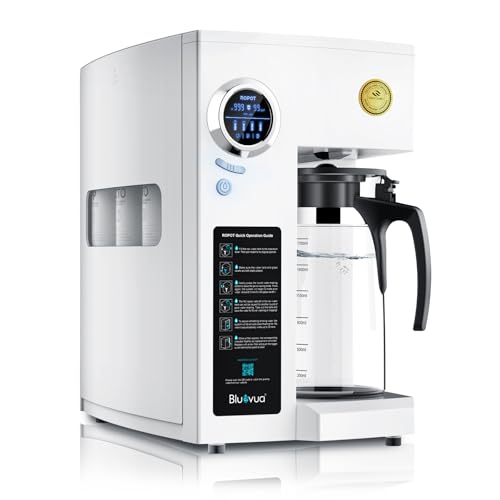
Improper Installation and Maintenance
Even a high‑quality filter will underperform if it is installed incorrectly. Common errors include bypassing the pre‑filter, using undersized plumbing connections, or failing to prime the media bed, which creates channeling and reduces contact time.
Regular maintenance is equally critical. Carbon and resin media have finite adsorption capacity; once exhausted they can release previously captured PFAS back into the water. Follow the manufacturer’s replacement schedule and monitor pressure drop as an early indicator of media fatigue.
Document installation details and maintenance dates. A simple log helps you stay on schedule and provides useful information if you later need professional service.
Ignoring the Source of Contamination
Treating water at the point of use does not stop PFAS from entering your plumbing if the source is a contaminated well, municipal supply, or nearby industrial site. Without identifying the source, you may treat symptoms while the root problem persists.
Conduct a basic source assessment: review local water quality reports, check for known PFAS sites in your area, and test both raw and treated water. This information guides whether a whole‑house system, point‑of‑use units, or a combination is appropriate.
If the source is a private well, consider wellhead treatment or alternative water supplies in addition to household filtration.

Overlooking System Capacity and Flow Requirements
A filter sized for a single faucet will not meet the demand of a whole‑house system, leading to reduced contact time and breakthrough of PFAS. Conversely, an oversized system can waste water and increase operating costs.
Calculate your peak daily water use and match it to the rated service flow of the treatment unit. Manufacturers typically provide a maximum flow rate at which the media meets its PFAS removal claims; stay within that range.
If your household demand exceeds a single unit’s capacity, plan for parallel units or a larger whole‑house system rather than pushing a smaller unit beyond its design limits.
FAQ
Can I rely on a home PFAS test kit to choose a filter?
Home kits generally lack the detection limits and compound specificity required for reliable decision‑making. A certified laboratory test provides the data needed to select an appropriate treatment technology.
How often should I replace carbon or resin media for PFAS removal?
Replacement intervals depend on water volume, PFAS concentration, and media type. Follow the manufacturer’s recommended service life and monitor pressure drop; when the media reaches its rated capacity, it must be changed to avoid release of captured chemicals.
When should I call a professional for PFAS treatment?
If test results show multiple PFAS compounds at levels near or above health advisory thresholds, if you are unsure how to size or install a whole‑house system, or if the contamination source is unknown, a licensed water treatment professional can design and install a solution that meets your specific needs.
This article provides general guidance based on publicly available best practices; it does not replace site‑specific assessment. For confirmed PFAS levels above advisory limits or complex plumbing situations, consult a certified water‑treatment specialist or licensed plumber.
These statements have not been evaluated by the Food and Drug Administration. This information is not intended to diagnose, treat, cure, or prevent any disease. Content is for informational purposes only and is not medical advice; consult a qualified healthcare provider before starting any supplement. As an Amazon Associate we earn from qualifying purchases.
